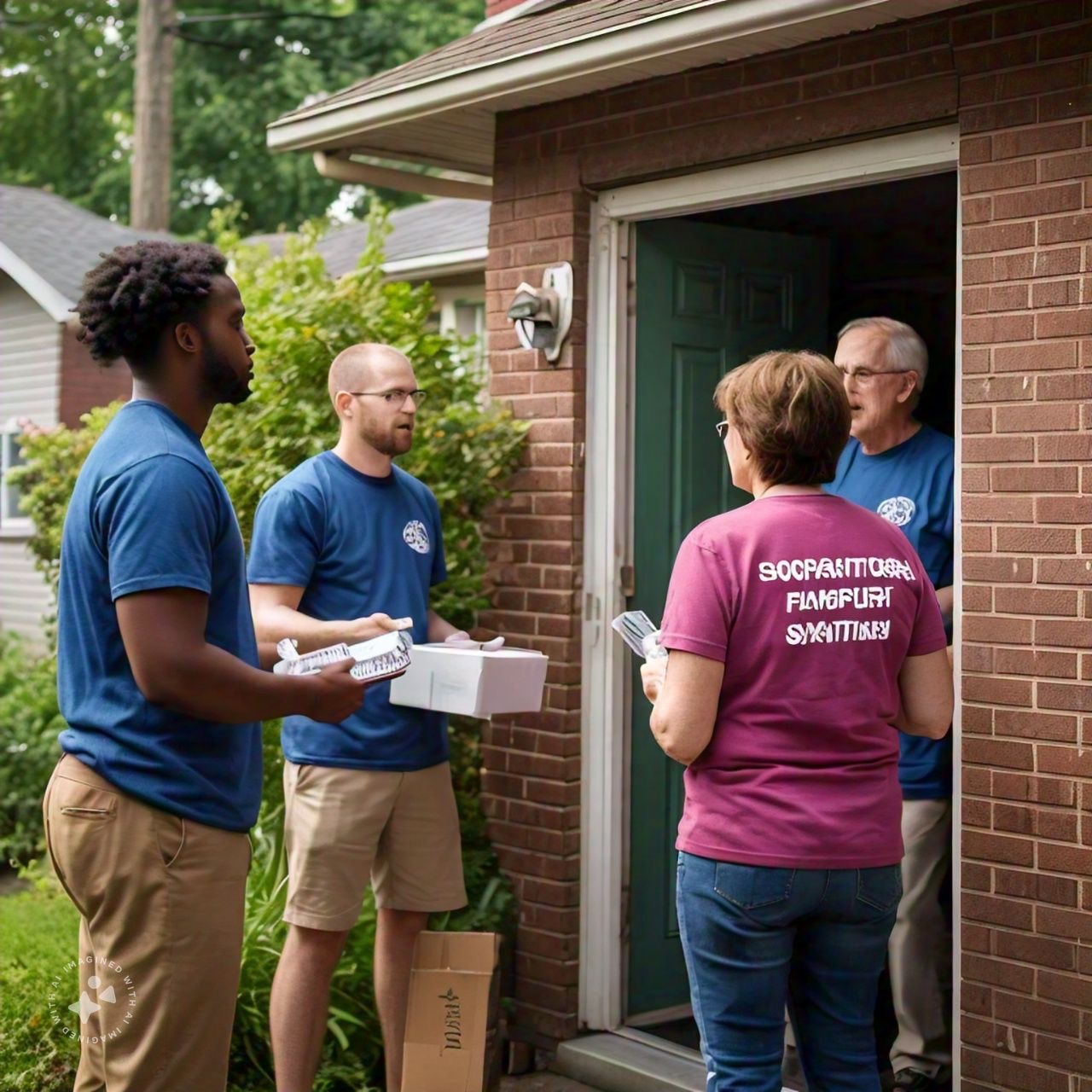

Door-to-door fundraising is a common practice used by many non-profit organizations and charities to raise money for their causes. While this method can be effective, it also raises several ethical concerns. In this article, we will explore the best practices for door-to-door fundraising, with a focus on transparency and respect.
Transparency is essential in door-to-door fundraising. Donors have the right to know where their money is going and how it will be used. Fundraisers should be transparent about their organization’s mission, goals, and financial information.
For example, a fundraiser for a local food bank might explain that the organization provides food and groceries to low-income families in the area, and that donations will be used to purchase food and support the organization’s operations. This clear and concise messaging can help to establish trust and credibility with potential donors.
Respect is also essential in door-to-door fundraising. Fundraisers should respect people’s boundaries and not pressure them into donating. This can involve being mindful of people’s time and schedules, and not interrupting them or disrupting their daily activities.
For instance, a fundraiser might say, “I understand that you’re busy, and I don’t want to take up too much of your time. Can I just take a minute to tell you about our cause?” This respectful approach can help to establish a positive and respectful relationship with potential donors.
Here are a few best practices for door-to-door fundraising:
1. Fundraisers should research the neighborhood and prepare for the ask by knowing the local issues and concerns.
For example, a fundraiser might research the local community to learn more about the issues and concerns that are relevant to residents. This can help the fundraiser to tailor their pitch and make it more relevant and compelling to potential donors.
2. Fundraisers should be aware of and respect local regulations and laws regarding door-to-door fundraising.
For instance, a fundraiser might check with local authorities to learn more about any regulations or laws that govern door-to-door fundraising in the area. This can help the fundraiser to avoid any potential problems or issues.
3. Fundraisers should maintain a professional and respectful demeanor at all times.
For example, a fundraiser might dress professionally, be punctual and respectful, and avoid using high-pressure sales tactics. This can help to establish trust and credibility with potential donors.
4. Fundraisers should follow up with donors after the initial ask and follow through on any commitments made.
For instance, a fundraiser might send a follow-up email or letter to donors, thanking them for their support and providing additional information about the cause. This can help to establish a positive and respectful relationship with donors and encourage them to continue supporting the cause.
Here are a few common challenges that fundraisers may face when engaging in door-to-door fundraising:
1. Fundraisers may face rejection and criticism from potential donors. This can be difficult to handle, but it’s essential to maintain a professional and respectful demeanor.
For example, a fundraiser might respond to rejection or criticism by thanking the person for their time and consideration, and then politely excusing themselves.
2. Fundraisers may encounter language barriers when approaching potential donors. This can make it difficult to communicate effectively.
For instance, a fundraiser might consider using translation services or materials to help communicate with potential donors who speak different languages.
3. Fundraisers may encounter cultural differences when approaching potential donors. This can make it difficult to communicate effectively and build relationships.
For example, a fundraiser might consider researching the local culture and customs to learn more about the values and beliefs of potential donors. This can help the fundraiser to tailor their pitch and build more effective relationships with potential donors.
4. Fundraisers may face challenges related to weather and environmental factors, such as extreme temperatures or inclement weather. This can make it difficult to approach potential donors and communicate effectively.
For instance, a fundraiser might consider checking the weather forecast before heading out to fundraise, and then adjusting their approach accordingly. This might involve using umbrellas or other rain gear, or seeking shelter in a nearby location.
Additionally, fundraisers might consider using technology, such as mobile apps or online platforms, to facilitate donations and communication with potential donors. This can help to minimize the impact of weather and environmental factors on fundraising efforts.
Door-to-door fundraising can be an effective way to raise money for non-profit organizations and charities. However, it also raises several ethical concerns, including the potential invasion of privacy, lack of transparency, and pressure tactics.
By being transparent and respectful, fundraisers can establish trust and credibility with potential donors. This can involve using clear and concise messaging, being transparent about financial information, respecting people’s boundaries, and maintaining a professional and respectful demeanor.
By following these strategies and best practices, fundraisers can ensure that their door-to-door fundraising efforts are ethical, transparent, and respectful. This can help to build trust and credibility with potential donors, and ultimately, to raise more money for non-profit organizations and charities.
Archival publication note: This document was last modified on December 3, 2024. It is published as an archival draft; fundraising laws, privacy requirements, payment practices, and local solicitation rules may have changed, and it does not describe current BallotAI product status.
Leave a Reply