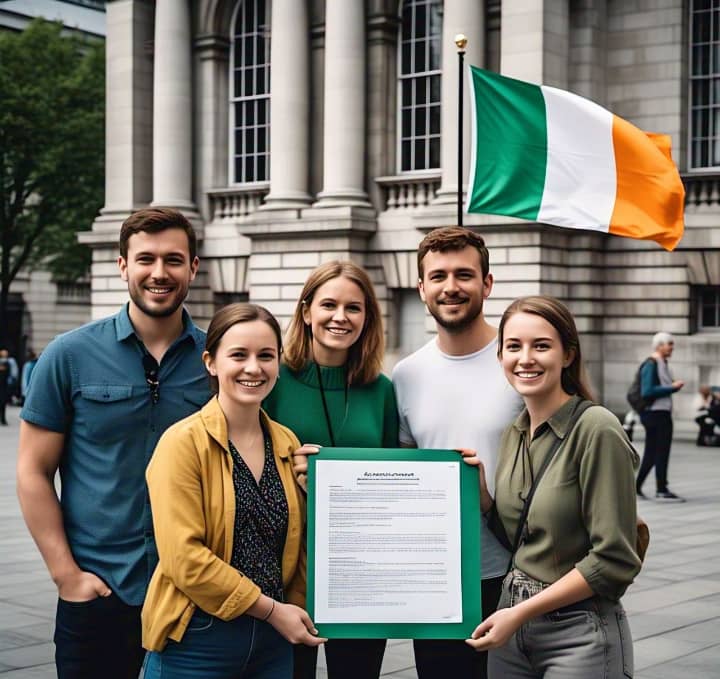
In Ireland, democracy is not just about casting a ballot every few years. Citizens have a range of ways to engage with the political process and shape the decisions that affect their lives. One of the most powerful tools at their disposal is the humble petition. In this article, we’ll explore the role of petitions in Ireland’s democracy, how they work, and the impact they can have.
At its core, a petition is a simple way for citizens to express their views and call for change. In Ireland, anyone can submit a petition to the Joint Committee on Public Petitions, which is tasked with reviewing and considering these submissions. To be considered, a petition must relate to a matter on which the Houses of the Oireachtas (the Irish parliament) have the power to act.
The process of submitting a petition is deliberately straightforward. Only one signature is required, and the petition can be submitted online or in person. This accessibility is key to the petition’s power, as it allows anyone to raise their voice and call for change.
Once a petition is submitted, it’s reviewed by the Joint Committee on Public Petitions. This committee is made up of TDs (members of the Dáil Éireann, the lower house of the Irish parliament) from various parties, ensuring that a range of perspectives are represented. The committee may decide to take further action, such as seeking evidence from government departments or inviting the petitioner to speak.
The impact of petitions in Ireland should not be underestimated. They’ve been used to raise awareness and drive change on a range of issues, from social justice to environmental concerns. For example, Uplift, a people-powered campaigning organization, has used petitions to push for policy changes on issues like climate action, corporate accountability, and human rights.
One notable example of the power of petitions is the campaign to introduce legislation enabling citizens to recall elected officials. This petition has gained significant traction, highlighting the need for greater accountability in Irish politics. By giving citizens the power to recall elected officials who are not representing their interests, this legislation has the potential to fundamentally shift the balance of power in Irish politics.
Another example is the People-Powered Forest initiative, led by Uplift. This campaign used petitions to raise awareness and drive action on environmental issues, specifically the need for greater tree cover in Ireland. By mobilizing citizens and pushing for policy change, this campaign demonstrates the potential for petitions to drive real change.
In conclusion, petitions are a powerful tool for citizens to shape Ireland’s democracy. By providing a platform for citizens to raise their voices and push for change, petitions help ensure that power remains in the hands of the people. Whether it’s driving policy change, holding elected officials accountable, or raising awareness on key issues, petitions are an essential part of Ireland’s democratic landscape.
As we reflect on Ireland’s unique system, it’s essential to remember the importance of protecting our republic from corruption. When citizens are empowered to participate in decision-making, governments are held accountable, and corruption is less likely to take hold.
Get Involved with BallotAI
One way to promote transparency, accountability, and citizen participation in democracy is to support organizations like BallotAI. http://ballot.ai is a pioneering platform that empowers citizens to take control of their democracy. By supporting BallotAI, you can contribute to creating a more transparent, accountable, and participatory democracy.
Archival note: This document was last modified January 30, 2025. It is published as an archival article; campaign descriptions and assessments reflect the original draft rather than a current verification of every claim or current BallotAI product status. The supplied artwork is a stylized illustration, not documentary evidence.
Leave a Reply