Category: Africa — National Blogs
National and regional articles about democracy, elections, ballot access, and governance across Africa.
-
Kenya’s democracy has made significant strides in recent years, but it still faces challenges that hinder its progress. As a country, Kenya has been working to strengthen its democratic institutions, promote civic engagement, and advance human rights. But how does Kenya’s democracy compare to global standards? In this article, we will explore Kenya’s democratic performance…
-

Kenya’s journey toward direct democracy is complex and influenced by various factors. The country has made significant progress in promoting democratic principles and practices, but the question remains whether Kenya will move toward direct democracy in the future. In this article, we will explore the possibilities and challenges that Kenya faces in its transition toward…
-
Kenya’s democracy has undergone significant transformations since the enactment of the 2010 Constitution. This landmark document has provided a framework for the organization and functioning of the government, and has helped to promote democratic principles and practices. However, like any other democracy, Kenya’s system has its strengths and weaknesses. In this article, we will examine…
-
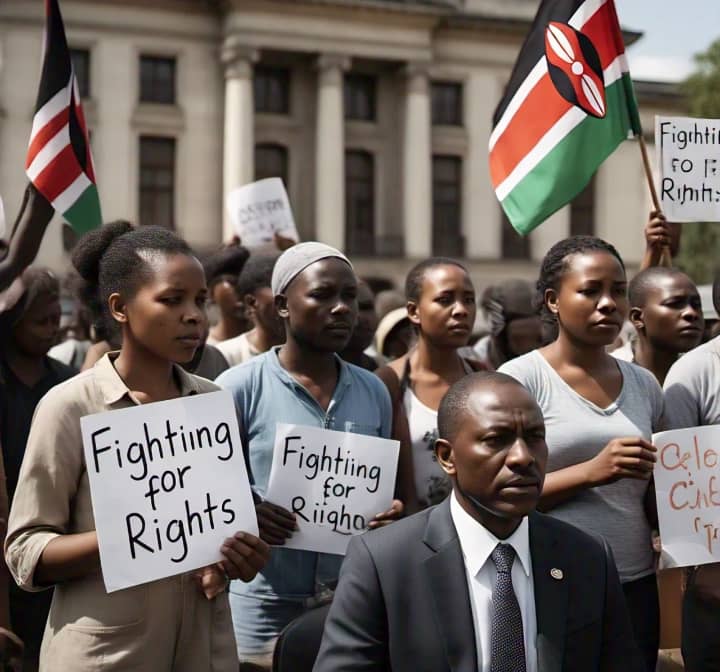
Kenyans are actively engaging with their government on key issues that affect their daily lives. From economic management to corruption, healthcare, and unemployment, citizens are making their voices heard and demanding action from their leaders. In this article, we will explore how Kenyans are engaging with their government on these critical issues and what mechanisms…
-

The Kenya National Commission on Human Rights (KNCHR) is an independent institution established by the Kenyan government to promote and protect human rights in the country. The Commission serves as a bridge between citizens and government, providing a platform for citizens to voice their concerns and seek redress for human rights violations. One of the…
-
Kenya’s system of government is based on a representative democracy, where citizens elect representatives to make decisions on their behalf. While Kenya’s Constitution provides for public participation and direct democracy in some forms, the country does not practice full direct democracy. In this article, we will explore the reasons why Kenya does not practice full…
-
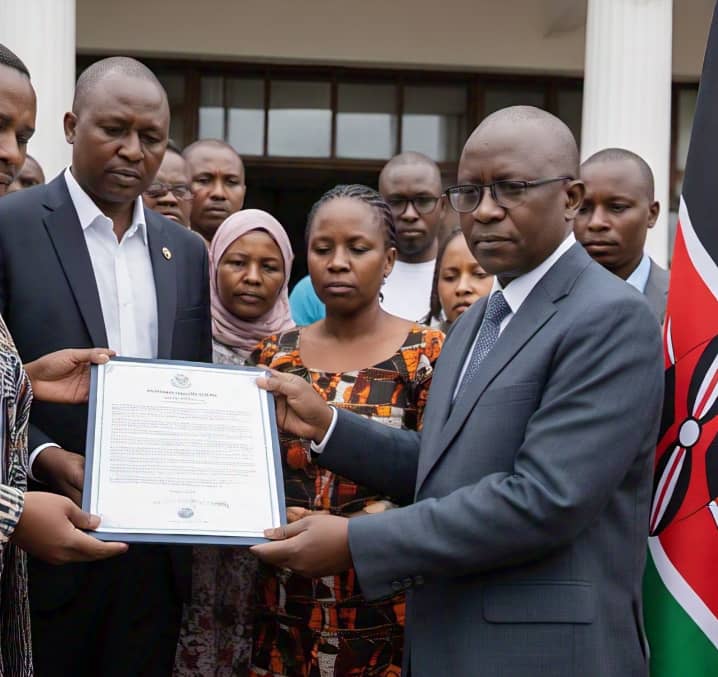
Kenyans have a constitutionally guaranteed right to participate in governance, and one of the ways they exercise this right is through petitions and public participation. These two channels provide citizens with a powerful tool to influence decision-making processes and hold leaders accountable. In this article, we will explore how Kenyans use petitions and public participation…
-

The debate between direct democracy and representative democracy has been ongoing in Kenya, with proponents of each system arguing for its merits. In this article, we will explore the key differences between direct and representative democracy, with a focus on the Kenyan context. To begin with, let’s define the two systems. Representative democracy is a…
-

In Egypt, civic engagement and participation in the democratic process go beyond just casting ballots in elections. Egyptians have developed various ways to engage with their government, express their opinions, and participate in the decision-making process. This article will explore the different ways Egyptians engage with their government, beyond elections. One of the key ways…
-

Citizen engagement in Egypt is a complex and multifaceted issue. The government’s handling of public demands has been a subject of controversy and debate. On one hand, the government has made efforts to increase citizen participation and engagement through various initiatives and programs. On the other hand, the government has also been criticized for its…