Category: Africa — National Blogs
National and regional articles about democracy, elections, ballot access, and governance across Africa.
-
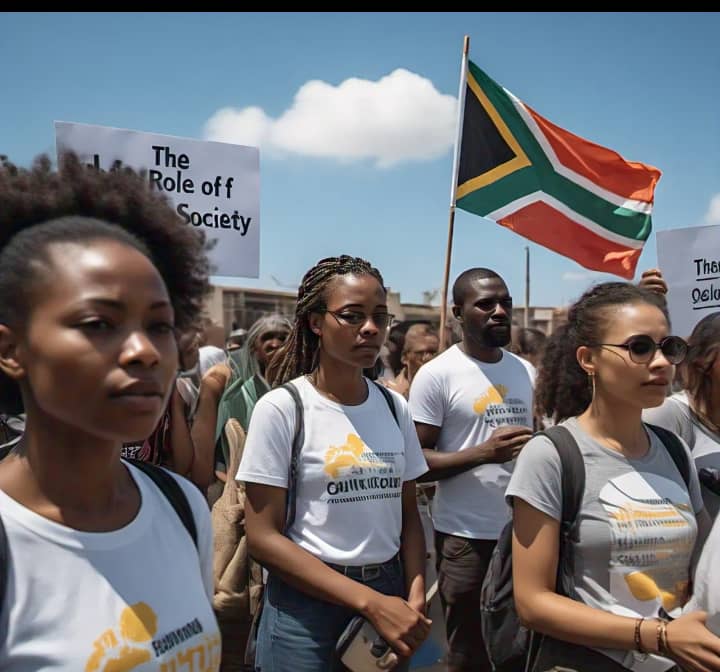
Civil society plays a vital role in any democratic system, and South Africa is no exception. Since the country’s transition to democracy in 1994, civil society organizations and activists have been instrumental in shaping the country’s democratic trajectory. This article explores the role of civil society in South Africa, highlighting the ways in which activists…
-

South Africa’s transition from apartheid to democracy was a significant milestone in the country’s history. After centuries of racial and economic discrimination and oppression, South Africans sought a system that would promote equality, justice, and accountability. The country’s choice of representative democracy was a deliberate decision, influenced by its complex history and its desire for…
-
South Africa’s democratic system has been in place since 1994, but there are ongoing debates about its effectiveness and potential for improvement. One concept being explored is direct democracy, which would give citizens more power to participate in decision-making processes. In this article, we will examine the possibilities and risks of adopting more direct democracy…
-

Holding leaders accountable is a crucial aspect of any democracy. It ensures that those in power are responsible for their actions and decisions, and that they are answerable to the people they serve. In South Africa, there are several ways in which citizens can demand change and hold their leaders accountable. One of the key…
-
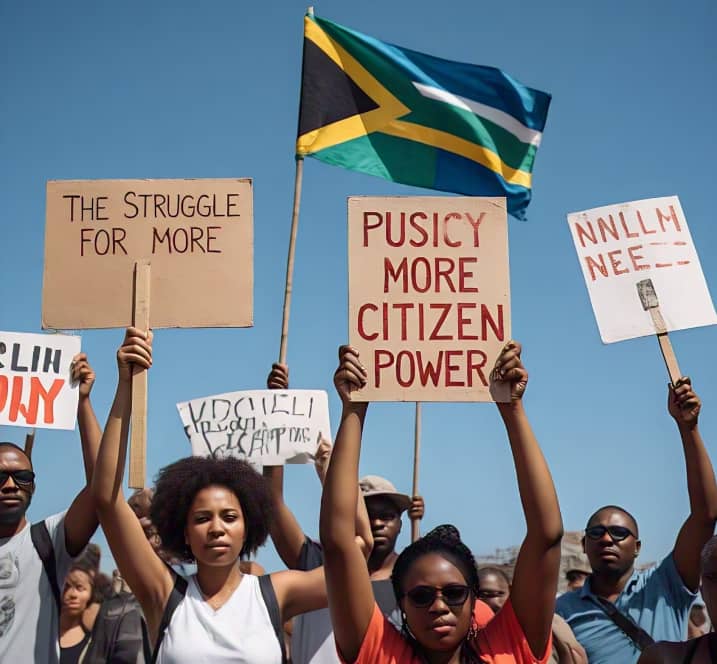
South Africa’s democracy has come a long way since the end of apartheid in 1994. However, despite the progress made, the country still faces numerous challenges in its struggle for more citizen power. One of the major hurdles is corruption, which continues to undermine democratic institutions and erode public trust. Corruption is a pervasive problem…
-
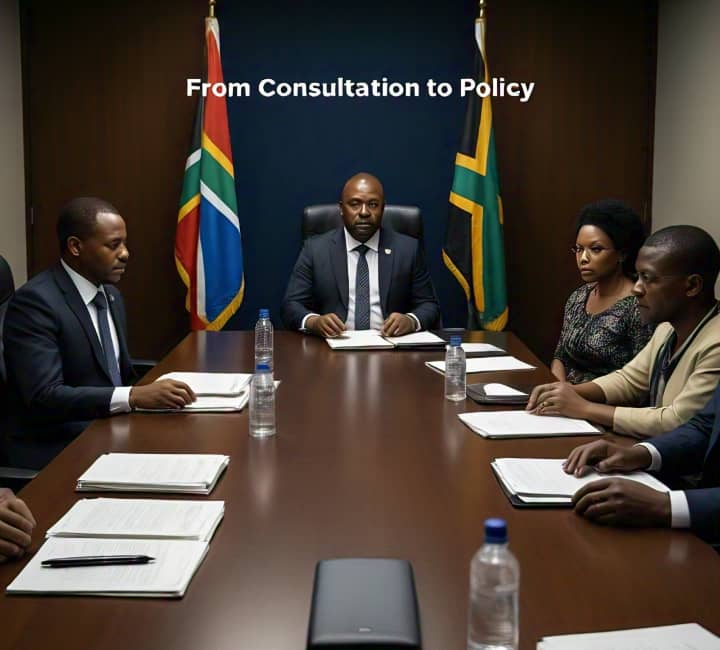
South Africa is a democratic country that values public participation in the law-making process. The Constitution enshrines the right of citizens to participate in the decision-making process, and the government has established various mechanisms to ensure that public input is taken into account when shaping laws and policies. In this article, we will explore how…
-
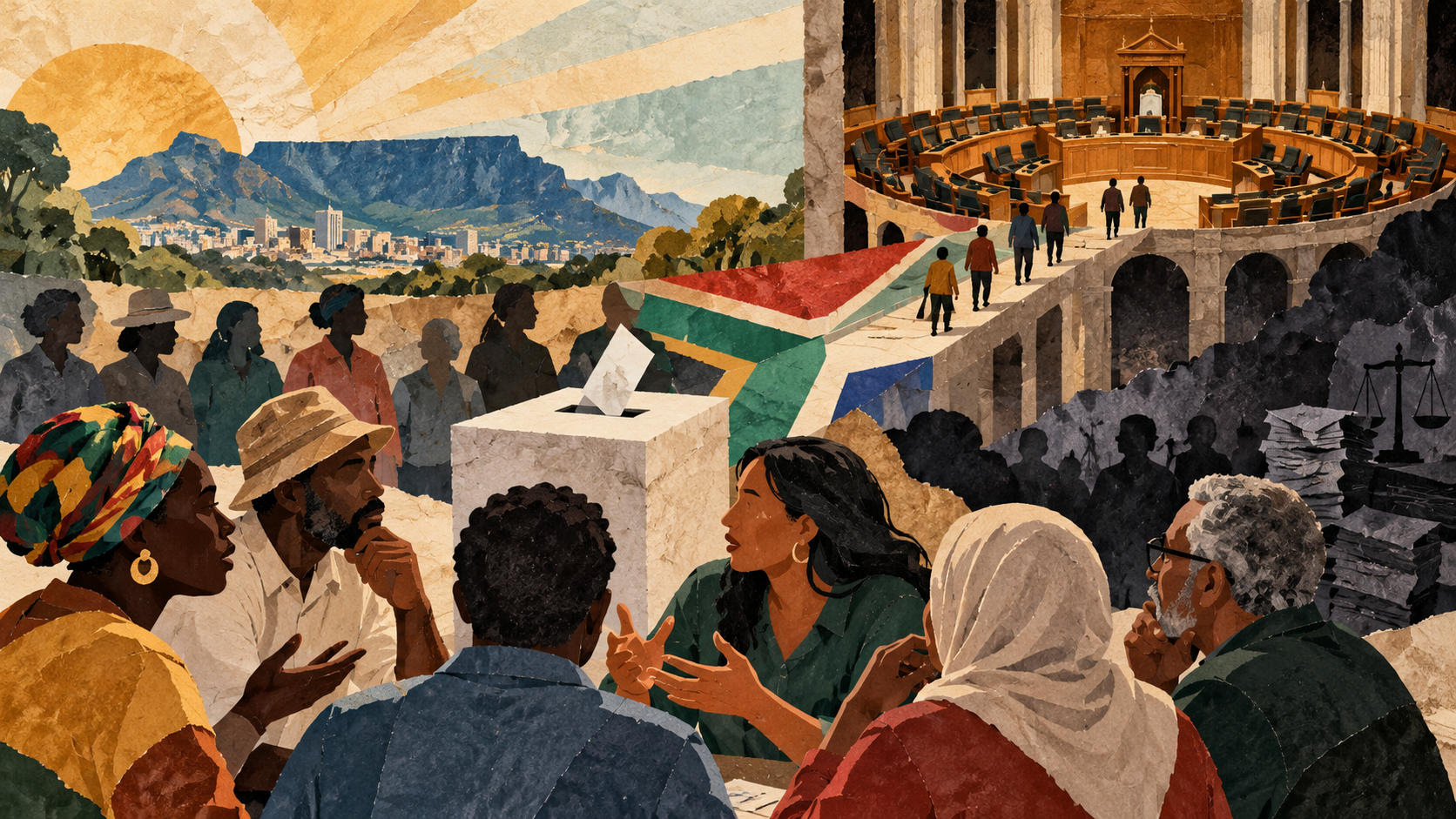
South Africa is a democratic country that operates under a representative democracy system. In this system, citizens elect representatives to make decisions on their behalf. While this system has its advantages, it also has its disadvantages. In this article, we will explore the pros and cons of South Africa’s representative democracy, and examine how this…
-

The power of voting is a fundamental aspect of democracy, and South Africa is no exception. Every five years, citizens of South Africa head to the polls to elect their leaders and shape the future of their country. The outcome of these elections has a direct impact on the country’s trajectory, influencing policy decisions, holding…
-

South Africa is a democratic country that values citizen participation and engagement in the governance process. While voting is an essential aspect of democracy, it is not the only way for citizens to influence government decisions. In fact, there are several ways that South Africans can make their voices heard and shape the policies that…
-
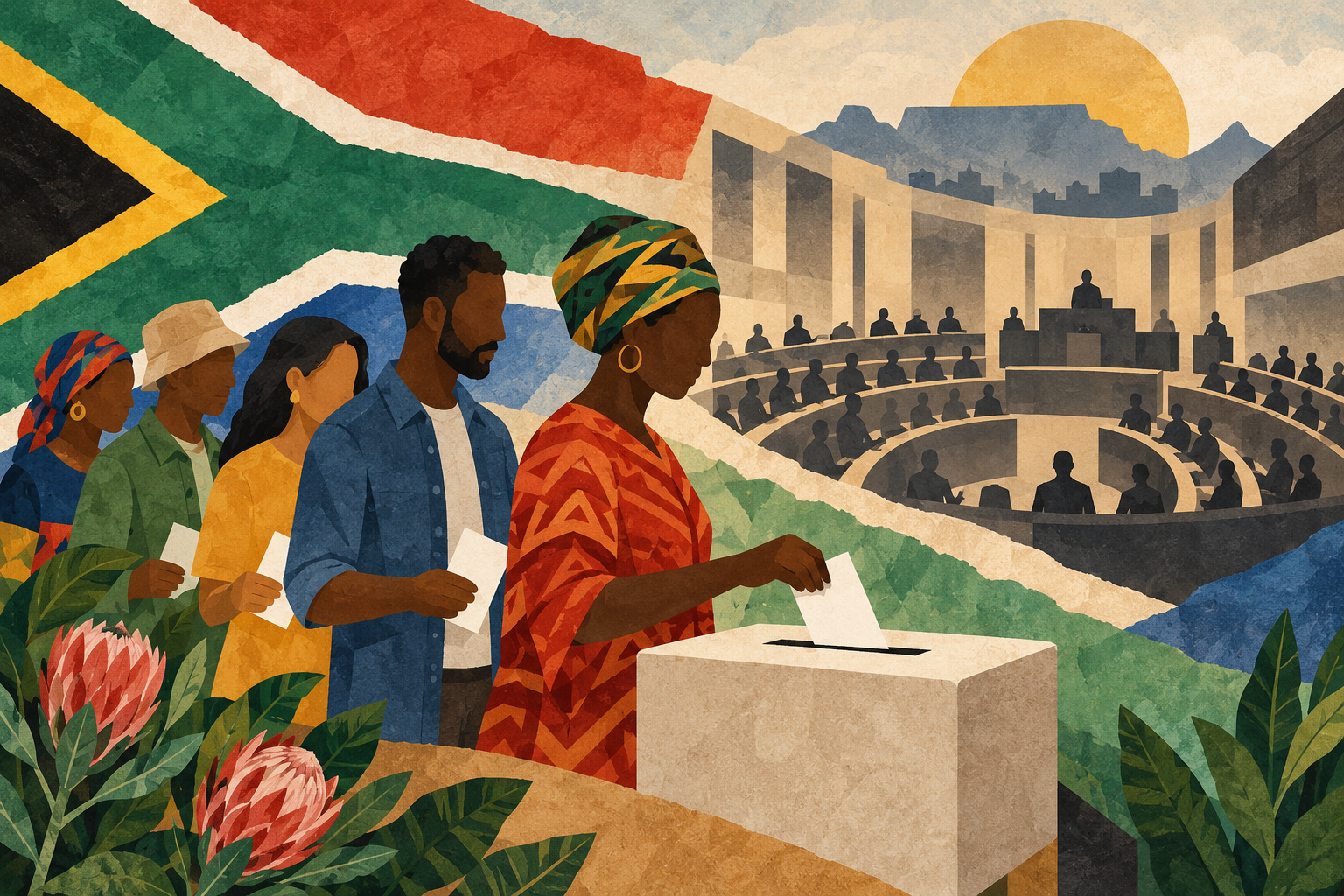
When it comes to democracy, there are two main forms: direct democracy and representative democracy. Direct democracy involves citizens making decisions directly, either through referendums or town hall meetings. Representative democracy, on the other hand, involves citizens electing representatives to make decisions on their behalf. In this article, we will explore where South Africa stands…