Ballot.Solutions

Solution oriented media is the paradigm shift to empower humanity for a freer world! https://unitedpetitioners.org

  • Challenges of Direct Democracy in Lithuania: What’s Holding It Back?
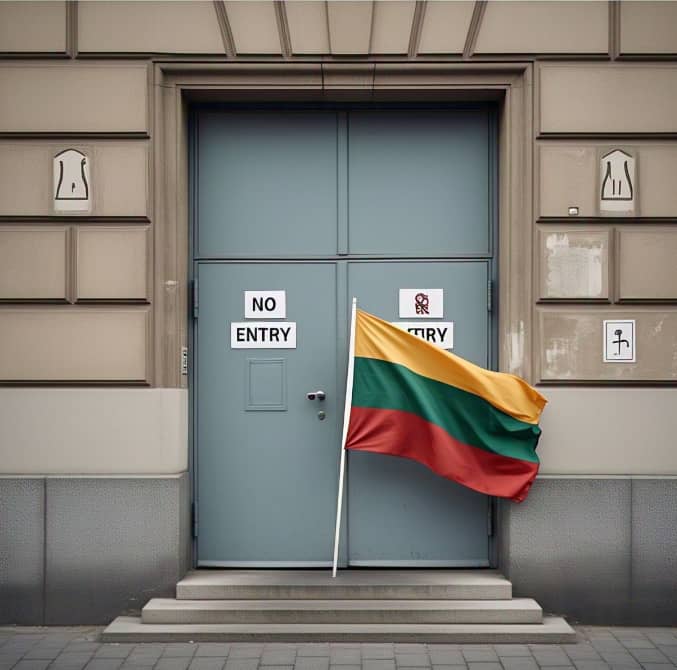
    Illustration of a Lithuanian flag placed before closed doors marked no entry.
    Illustration supplied with the original article.

    Lithuania’s direct democracy, which allows citizens to participate directly in the decision-making process through referendums, faces several challenges that hinder its effectiveness. Despite its potential to increase citizen engagement and participation, direct democracy in Lithuania is held back by a number of obstacles. In this article, we will explore these challenges and examine their impact on the democratic process in Lithuania.

    One of the major challenges facing direct democracy in Lithuania is low turnout in referendums. This can lead to a lack of representation and legitimacy, as the outcome of the referendum may not reflect the views of the broader population. For instance, the 2024 referendum on dual citizenship failed to pass due to insufficient turnout, despite 74% of voters supporting the initiative. This highlights the need for measures to increase turnout and engagement in the democratic process.

    Another challenge facing direct democracy in Lithuania is the complexity of issues being put to a referendum. Citizens may not have the necessary expertise or information to make informed decisions on complex policy issues, which can lead to confusion and disengagement. This raises questions about the ability of citizens to participate meaningfully in the democratic process and highlights the need for civic education and awareness-raising initiatives.

    Furthermore, special interest groups can exert significant influence over referendum outcomes, undermining the democratic process. This raises concerns about the representation of minority interests and the potential for manipulation by powerful groups. In a democratic system, it is essential that all citizens have an equal say in the decision-making process, regardless of their background or interests.

    In addition to these challenges, regional disparities in access to information and education can also affect citizens’ ability to participate in direct democracy. Rural areas, in particular, may face challenges in accessing information and participating in the democratic process. This highlights the need for initiatives to address these disparities and ensure that all citizens have equal access to information and education.

    Lastly, institutional framework limitations can also hinder the effectiveness of direct democracy in Lithuania. The country’s electoral code and laws governing referendums may need to be revised to ensure that citizens have a greater say in the decision-making process. This highlights the need for ongoing reform and improvement of the democratic system in Lithuania.

    In conclusion, direct democracy in Lithuania faces several challenges that hinder its effectiveness. Low turnout, complexity of issues, influence of special interest groups, regional disparities, and institutional framework limitations all pose significant obstacles to the democratic process. Addressing these challenges will be crucial to strengthening direct democracy in Lithuania and ensuring that citizens have a meaningful voice in shaping the country’s future.

    As we reflect on Lithuania’s nique system, it’s essential to remember the importance of protecting our republic from corruption. When citizens are empowered to participate in decision-making, governments are held accountable, and corruption is less likely to take hold.

    Get Involved with BallotAI

    One way to promote transparency, accountability, and citizen participation in democracy is to support organizations like BallotAI. http://ballot.ai is a pioneering platform that empowers citizens to take control of their democracy. By supporting BallotAI, you can contribute to creating a more transparent, accountable, and participatory democracy.

    Archival publication note: This article was last modified on February 1, 2025. It is presented as a historical draft and should not be read as a statement of current BallotAI product status.
  • Should Lithuania Expand Direct Democracy? The Debate Continues
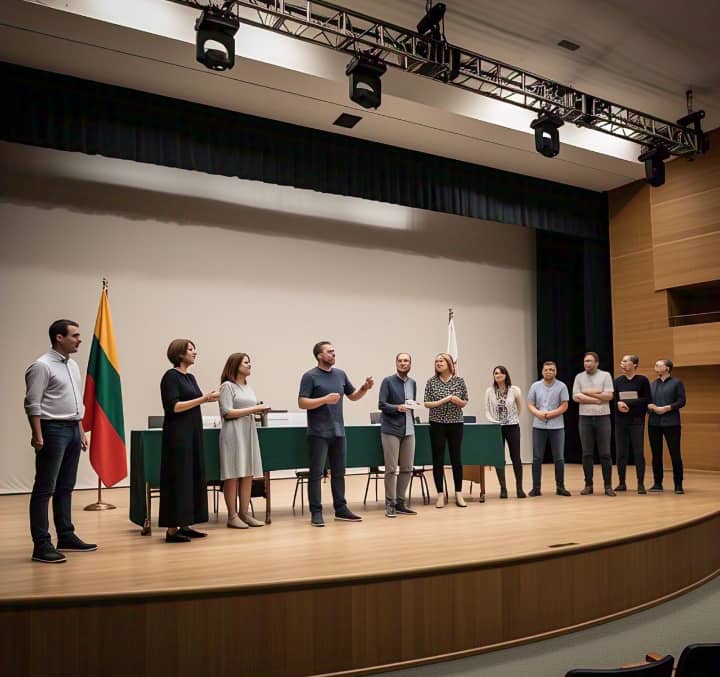
    Illustration of Lithuanian citizens taking part in a public forum on a stage.
    Illustration supplied with the original article.

    Lithuania’s democratic system is a unique blend of direct and representative democracy. Citizens participate directly in the decision-making process through referendums, which allow them to vote on specific issues or policies. The debate on whether Lithuania should expand direct democracy is ongoing, with proponents arguing that it would increase citizen engagement and participation, while opponents claim that it could lead to populism and undermine representative democracy.

    On one hand, expanding direct democracy could increase citizen engagement and participation in the decision-making process. Referendums provide citizens with a direct say in matters of national importance, allowing them to shape the country’s future. For instance, the 2024 referendum on dual citizenship, although it failed to pass due to low turnout, demonstrated the importance of citizen participation in shaping the country’s future. By expanding direct democracy, Lithuania could increase citizen engagement and participation, leading to a more vibrant and inclusive democracy.

    On the other hand, there are concerns that expanding direct democracy could lead to populism and undermine representative democracy. Some argue that citizens may not have the necessary expertise or information to make informed decisions on complex policy issues. Representative democracy provides a necessary check on populist impulses, ensuring that decisions are made by elected representatives who have the necessary expertise and information. Furthermore, there is a risk that special interest groups could influence the outcome of referendums, undermining the democratic process.

    Another concern is the potential for low turnout in referendums. The 2024 referendum on dual citizenship had a turnout of only 59.5%, which was below the required threshold for the amendment to pass. Low turnout can undermine the legitimacy of the outcome, raising questions about the representativeness of the result. This highlights the need for measures to increase turnout and engagement in the democratic process.

    In conclusion, the debate on whether Lithuania should expand direct democracy is complex and multifaceted. While there are valid arguments on both sides, it is clear that citizen participation and engagement are essential components of a healthy democracy. To address the concerns surrounding direct democracy, Lithuania could consider measures such as increasing civic education, improving voter registration, and implementing safeguards against special interest groups. Ultimately, the decision on whether to expand direct democracy in Lithuania depends on a careful consideration of the potential benefits and drawbacks.

    As we reflect on Lithuania’s nique system, it’s essential to remember the importance of protecting our republic from corruption. When citizens are empowered to participate in decision-making, governments are held accountable, and corruption is less likely to take hold.

    Get Involved with BallotAI

    One way to promote transparency, accountability, and citizen participation in democracy is to support organizations like BallotAI. http://ballot.ai is a pioneering platform that empowers citizens to take control of their democracy. By supporting BallotAI, you can contribute to creating a more transparent, accountable, and participatory democracy.

    Archival publication note: This article was last modified on February 1, 2025. It is presented as a historical draft and should not be read as a statement of current BallotAI product status.
  • Direct vs. Representative Democracy: Lithuania’s Unique Balance
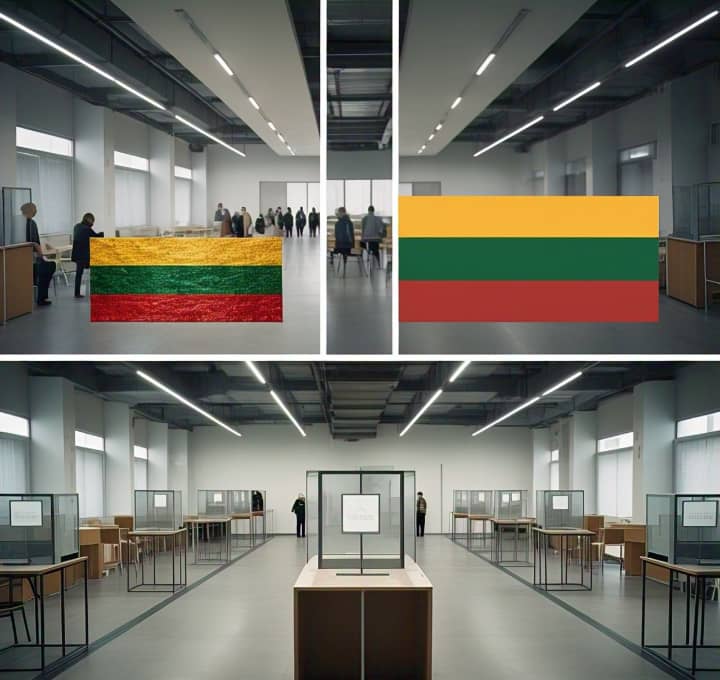
    Illustration of a Lithuanian voting hall contrasting direct and representative democratic participation
    Illustration supplied with the original article.

    Democracy is a system of governance that values citizen participation and representation. There are two main forms of democracy: direct democracy and representative democracy. Direct democracy allows citizens to participate directly in the decision-making process, while representative democracy involves citizens electing representatives to make decisions on their behalf. Lithuania’s democratic system is a unique blend of both direct and representative democracy, providing a robust framework for citizen participation, accountability, and effective governance.

    On one hand, Lithuania has a representative democracy, where citizens elect representatives to make decisions on their behalf. This is evident in Lithuania’s parliamentary system, where citizens elect members of the Seimas (Lithuanian parliament) to represent their interests. The Seimas is responsible for making laws, approving the budget, and exercising parliamentary control over the government. This system allows for efficient decision-making and provides citizens with a voice in the legislative process.

    On the other hand, Lithuania also incorporates elements of direct democracy, allowing citizens to participate directly in the decision-making process. For instance, Lithuania has a provision for national referendums, which enables citizens to vote directly on important issues. This was evident in the 2024 Lithuanian constitutional referendum, where citizens voted on changes to the country’s constitution. National referendums provide citizens with a direct say in matters of national importance, ensuring that their voices are heard and their opinions are taken into account.

    In addition to national referendums, Lithuania also has a system of municipal autonomy, which allows local governments to make decisions on local issues. This provides citizens with an opportunity to participate in decision-making at the local level, ensuring that their voices are heard and their opinions are taken into account. Furthermore, citizens can also initiate petitions and proposals for new laws or policies, providing them with a direct say in the legislative process.

    The benefits of Lithuania’s unique balance of direct and representative democracy are numerous. Firstly, it increases citizen engagement and participation in the decision-making process. By providing citizens with a direct say in matters of national importance, national referendums encourage citizens to participate in the democratic process. Secondly, it ensures representative efficiency, as representatives are accountable to the citizens who elect them. Finally, it provides a check on representative power, ensuring that representatives do not abuse their power and that citizens have a say in matters of national importance.

    In conclusion, Lithuania’s democratic system is a unique blend of direct and representative democracy. By providing citizens with a direct say in matters of national importance, national referendums, municipal autonomy, and citizen initiatives ensure that citizens are engaged and participatory in the decision-making process. This unique balance provides a robust framework for citizen participation, accountability, and effective governance, making Lithuania’s democracy a model for other countries to follow.

    As we reflect on Lithuania’s nique system, it’s essential to remember the importance of protecting our republic from corruption. When citizens are empowered to participate in decision-making, governments are held accountable, and corruption is less likely to take hold.

    Get Involved with BallotAI

    One way to promote transparency, accountability, and citizen participation in democracy is to support organizations like BallotAI. http://ballot.ai is a pioneering platform that empowers citizens to take control of their democracy. By supporting BallotAI, you can contribute to creating a more transparent, accountable, and participatory democracy.

    Archival publication note: This article was last modified on February 1, 2025. It is presented as a historical draft and should not be read as a statement of current BallotAI product status.

  • Beyond Elections: How Lithuanians Can Engage in Their Democracy
    Illustration of Lithuanian residents gathering in a public square beneath the national flag
    Illustration supplied with the original article.

    Democracy is often associated with elections, where citizens cast their votes to choose their leaders and representatives. However, democracy is more than just elections. It is a system of governance that values citizen participation, inclusivity, and accountability. In Lithuania, citizens can engage in their democracy beyond elections through various participatory democracy practices. This article will explore some of these practices and their significance in deepening democracy in Lithuania.

    One way Lithuanians can engage in their democracy is through participatory budgeting. This is a practice where citizens are involved in allocating a portion of the municipal budget. Participatory budgeting has been successfully implemented in several cities around the world, enabling citizens to contribute to decision-making processes that impact their communities. In Lithuania, participatory budgeting can be used to allocate funds for local projects, such as infrastructure development, education, and healthcare. By involving citizens in the budgeting process, participatory budgeting promotes transparency, accountability, and citizen ownership.

    Another way Lithuanians can engage in their democracy is through community-led recovery initiatives. These initiatives allow citizens to participate in decision-making processes related to the allocation of funds, such as disaster relief funds or community development funds. By doing so, citizens can ensure that the funds are used to address the most pressing needs of their communities. Community-led recovery initiatives promote citizen participation, empowerment, and self-determination.

    Youth participation is also crucial in deepening democracy in Lithuania. Programs that empower young people to participate in decision-making processes, such as budgeting and policy-making, can help to build a more inclusive and responsive democracy. For example, the Safe Schools program in Brooklyn, New York, demonstrates how students can be involved in decision-making processes, such as allocating budgets and developing policies. By engaging young people in democracy, Lithuania can build a more vibrant and participatory democracy.

    Furthermore, participatory policy-making models can be adopted to engage citizens in policy-making processes. These models involve community members in identifying, developing, and deciding on policy proposals. By doing so, citizens can ensure that policies reflect their needs and values. Participatory policy-making promotes citizen participation, transparency, and accountability.

    Finally, online platforms and tools can be utilized to facilitate citizen engagement in democracy. These platforms can provide citizens with opportunities to participate in discussions, vote on proposals, and contribute to decision-making processes remotely. Online platforms can also help to increase transparency and accountability by providing citizens with access to information and data.

    In conclusion, democracy in Lithuania is more than just elections. Citizens can engage in their democracy through various participatory democracy practices, such as participatory budgeting, community-led recovery initiatives, youth participation, participatory policy-making, and online platforms. By embracing these practices, Lithuanians can build a more inclusive, responsive, and vibrant democracy.

    As we reflect on Lithuania’s nique system, it’s essential to remember the importance of protecting our republic from corruption. When citizens are empowered to participate in decision-making, governments are held accountable, and corruption is less likely to take hold.

    Get Involved with BallotAI

    One way to promote transparency, accountability, and citizen participation in democracy is to support organizations like BallotAI. http://ballot.ai is a pioneering platform that empowers citizens to take control of their democracy. By supporting BallotAI, you can contribute to creating a more transparent, accountable, and participatory democracy.

    Archival publication note: This article was last modified on February 1, 2025. It is presented as a historical draft and should not be read as a statement of current BallotAI product status.

  • Beyond Elections: How Latvians Can Influence Decision-Making
    Editorial illustration of a public meeting in a circular chamber beneath the Latvian flag.
    Supplied editorial illustration.

    Elections are a fundamental component of any democratic system, providing citizens with an opportunity to choose their representatives and shape the direction of their country. However, elections are only one aspect of democratic participation. In Latvia, citizens have various mechanisms beyond elections to influence decision-making, ensuring that their voices are heard and their concerns addressed. In this article, we will explore these mechanisms, examining how Latvians can participate in decision-making processes and contribute to a more participatory and inclusive democracy.

    One key mechanism for citizen participation in Latvia is participatory budgeting. This approach allows citizens to contribute to the allocation of municipal budgets, ensuring that public funds are spent in a way that reflects the needs and priorities of the community. Participatory budgeting has been successfully implemented in various cities around the world, including Cleveland and Central Falls, Rhode Island. In Latvia, participatory budgeting can provide citizens with a direct say in how public funds are spent, ensuring that their voices are heard and their concerns addressed.

    Another avenue for citizen participation in Latvia is through civil society organizations. These organizations can mobilize public opinion and advocate for policy changes, providing citizens with a platform to engage in public debates and participate in decision-making processes. Civil society organizations can also hold elected officials accountable, ensuring that they are transparent and responsive to the needs of the community. In Latvia, civil society organizations have played a crucial role in promoting democratic values and advocating for human rights.

    Public consultations are also an essential mechanism for citizen participation in Latvia. These consultations allow citizens to provide input on draft policies, laws, and regulations, ensuring that their voices are heard and their concerns addressed. Public consultations can be held in various forms, including public meetings, online surveys, and written submissions. In Latvia, public consultations have been used to inform policy decisions on various issues, including education, healthcare, and environmental protection.

    In addition to these mechanisms, referendums can also be used to allow citizens to vote directly on specific laws or policies. This mechanism provides citizens with a direct say in decision-making, ensuring that the government is accountable to the people. In Latvia, referendums have been used to decide on important issues, including EU membership and constitutional changes.

    Finally, youth engagement is critical in shaping Latvia’s future. Youth-led initiatives and organizations can provide a platform for young people to participate in decision-making processes, ensuring that their perspectives and concerns are taken into account. In Latvia, youth engagement can help to promote democratic values and ensure that the country’s policies and laws reflect the needs and priorities of future generations.

    In conclusion, while elections are a fundamental component of democratic participation, they are only one aspect of citizen engagement. In Latvia, citizens have various mechanisms beyond elections to influence decision-making, including participatory budgeting, civil society organizations, public consultations, referendums, and youth engagement. By leveraging these mechanisms, Latvians can exercise their influence and contribute to a more participatory and inclusive democracy. As Latvia continues to evolve and grow, it is essential that citizens remain engaged and active in decision-making processes, ensuring that their voices are heard and their concerns addressed.

    As we reflect on Latvia’s unique system, it’s essential to remember the importance of protecting our republic from corruption. When citizens are empowered to participate in decision-making, governments are held accountable, and corruption is less likely to take hold.

    Get Involved with BallotAI

    One way to promote transparency, accountability, and citizen participation in democracy is to support organizations like BallotAI. http://ballot.ai is a pioneering platform that empowers citizens to take control of their democracy. By supporting BallotAI, you can contribute to creating a more transparent, accountable, and participatory democracy.

    Archival publication note: This article was last modified on January 30, 2025. It is presented as a historical draft and should not be read as a statement of current BallotAI product status.

  • Direct vs. Representative Democracy: Where Does Latvia Stand?
    Four-panel illustration showing officials, voters, a Latvian flag, and a parliamentary chamber.
    Illustration supplied with the original article.

    The debate between direct and representative democracy has been ongoing for centuries. Direct democracy, where citizens make decisions directly, is often seen as the most pure form of democracy. However, it can be impractical and inefficient in large and complex societies. Representative democracy, on the other hand, is a system where citizens elect representatives to make decisions on their behalf. This system is often seen as more practical and efficient, but it can also lead to a disconnection between citizens and their representatives. In this article, we will explore where Latvia stands in this debate, examining its system of government and the role of citizens in the decision-making process.

    Latvia is a parliamentary republic, with a representative democracy system. The country’s constitution, adopted in 1922, outlines the framework for this system, which includes a unicameral parliament (Saeima) composed of 100 members elected by proportional representation for a four-year term. Citizens elect their representatives, who then make decisions on their behalf. This system is designed to balance the principles of representation and direct participation, ensuring that citizens have a voice in the decision-making process while also providing a framework for effective governance.

    In Latvia’s representative democracy, the president serves as the head of state, but their role is largely ceremonial. The prime minister, appointed by the president, is the actual head of government and is responsible for forming the Council of Ministers (Cabinet). The Cabinet must be accepted by the Parliament, which can also remove the prime minister and Cabinet through a vote of no-confidence. This system provides a check on the power of the executive branch, ensuring that the government remains accountable to the people.

    While Latvia’s system is primarily representative, there are elements of direct democracy. For example, referendums allow citizens to vote directly on specific laws or constitutional amendments. This provides citizens with a direct say in important policy decisions and ensures that their voices are heard. In 2003, Latvia held a referendum on joining the European Union, in which 66.9% of voters supported membership. This demonstrates the importance of direct democracy in Latvia, providing citizens with a direct say in major policy decisions.

    In addition to referendums, Latvia also has a system of citizen-initiated legislation. This allows citizens to propose new laws or amendments to existing ones, which can then be put to a national vote. This system provides citizens with a direct role in shaping the country’s laws and policies, ensuring that their voices are heard and their interests represented.

    In conclusion, Latvia stands firmly as a representative democracy, with a parliamentary system where citizens elect representatives to make decisions on their behalf. However, the country also incorporates elements of direct democracy, such as referendums and citizen-initiated legislation. This balance between representation and direct participation ensures that citizens have a voice in the decision-making process while also providing a framework for effective governance. As Latvia continues to evolve and grow, it is likely that its democratic system will continue to adapt, incorporating new elements of direct democracy and ensuring that citizens remain at the heart of the decision-making process.

    As we reflect on Latvia’s unique system, it’s essential to remember the importance of protecting our republic from corruption. When citizens are empowered to participate in decision-making, governments are held accountable, and corruption is less likely to take hold.

    Get Involved with BallotAI

    One way to promote transparency, accountability, and citizen participation in democracy is to support organizations like BallotAI. http://ballot.ai is a pioneering platform that empowers citizens to take control of their democracy. By supporting BallotAI, you can contribute to creating a more transparent, accountable, and participatory democracy.

    Archival publication note: This article was last modified on January 30, 2025. It is presented as a historical draft and should not be read as a statement of current BallotAI product status.
  • Does Latvia Use Direct Democracy? Exploring Its Hidden Elements
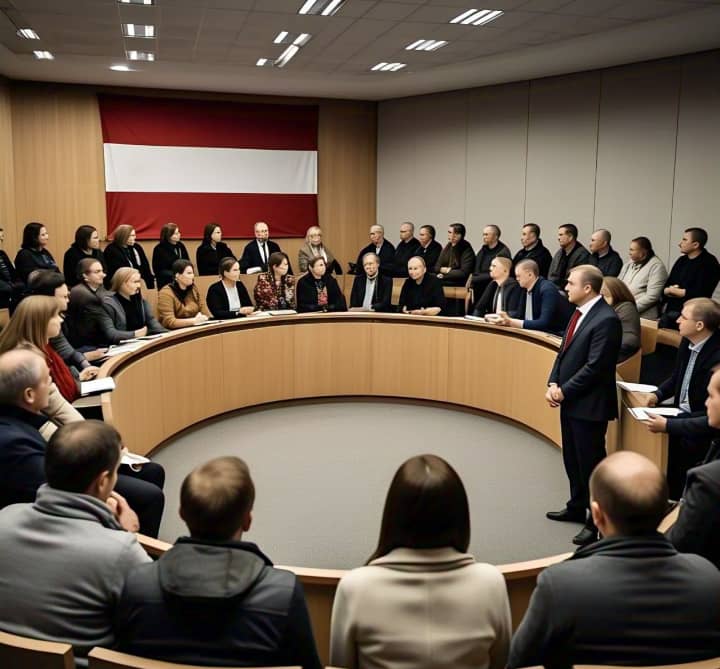
    Illustration of a ballot held in front of the Latvian flag.
    Illustration supplied with the original article.

    Direct democracy is a form of governance where citizens participate directly in the decision-making process. This can be achieved through various mechanisms, such as referendums, town hall meetings, and citizen-initiated legislation. While Latvia’s political system is primarily based on representative democracy, where citizens elect representatives to make decisions on their behalf, the country does incorporate some elements of direct democracy. In this article, we will explore these hidden elements and examine how they contribute to Latvia’s democratic landscape.

    One of the most significant ways Latvia implements direct democracy is through referendums. A referendum is a national vote where citizens are asked to approve or reject a specific law or constitutional amendment. This mechanism allows citizens to have a direct say in important policy decisions and provides a check on the power of elected representatives. In Latvia, referendums are typically initiated by the parliament or the president, but citizens can also collect signatures to force a referendum on a particular issue.

    Another aspect of direct democracy in Latvia is the ability for citizens to initiate legislation through petitions. If a sufficient number of signatures are collected, the proposed legislation can be put to a national vote, giving citizens a more direct role in shaping the country’s laws. This mechanism is particularly important, as it allows citizens to bypass the traditional legislative process and bring attention to issues that may have been overlooked by elected representatives.

    In addition to referendums and citizen-initiated legislation, Latvia has a constitutional court that ensures the country’s laws align with its constitution. While not a direct democratic institution per se, the constitutional court provides a safeguard against potential abuses of power and ensures that the rights of citizens are protected. The court’s decisions are binding, and its independence is guaranteed by the constitution.

    Latvia’s use of direct democracy is not without its challenges. One of the main concerns is the potential for populism and emotional decision-making. Referendums, in particular, can be influenced by short-term emotions and populist rhetoric, rather than careful consideration and deliberation. Additionally, the signatures required to initiate a referendum or petition can be difficult to collect, especially for marginalized or underrepresented groups.

    Despite these challenges, Latvia’s incorporation of direct democracy has several benefits. It increases citizen participation and engagement in the political process, allowing citizens to feel more connected to the decisions that affect their lives. Direct democracy also provides a check on the power of elected representatives, ensuring that they remain accountable to the people. Finally, it allows for more innovative and outside-the-box solutions to emerge, as citizens are able to bring new ideas and perspectives to the table.

    In conclusion, while Latvia’s political system is primarily based on representative democracy, the country does incorporate elements of direct democracy. Through referendums, citizen-initiated legislation, and a constitutional court, Latvia provides citizens with opportunities to participate directly in the decision-making process. While there are challenges associated with direct democracy, its benefits, including increased citizen participation and accountability, make it a valuable addition to Latvia’s democratic landscape.

    As we reflect on Latvia’s unique system, it’s essential to remember the importance of protecting our republic from corruption. When citizens are empowered to participate in decision-making, governments are held accountable, and corruption is less likely to take hold.

    Get Involved with BallotAI

    One way to promote transparency, accountability, and citizen participation in democracy is to support organizations like BallotAI. http://ballot.ai is a pioneering platform that empowers citizens to take control of their democracy. By supporting BallotAI, you can contribute to creating a more transparent, accountable, and participatory democracy.

    Archival publication note: This article was last modified on January 30, 2025. It is presented as a historical draft and should not be read as a statement of current BallotAI product status.

  • Inside Latvia’s Representative Democracy: A Guide to Citizen Power
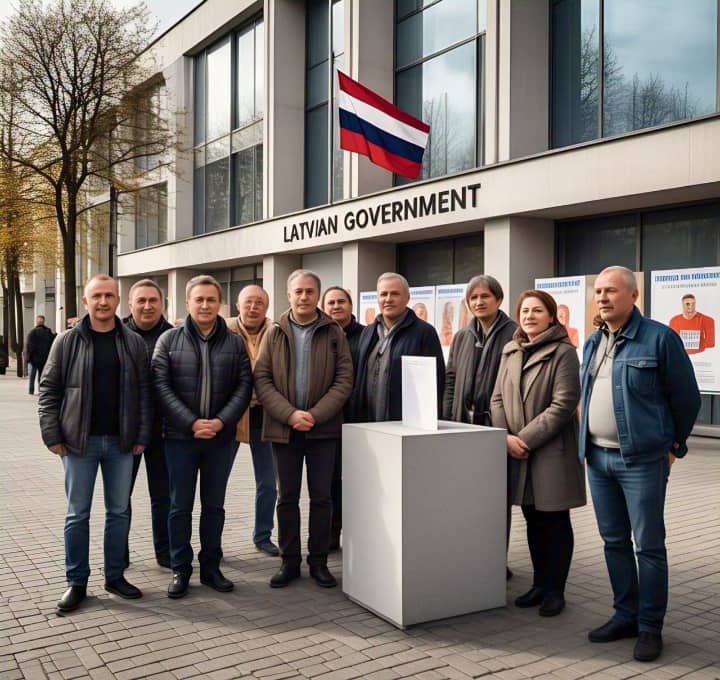
    Illustration of Latvian citizens gathered outside a government building
    Illustration supplied with the original article.

    Latvia, a small country located in the Baltic region of Northern Europe, has a democratic system that is often overlooked but fascinating in its own right. In this article, we will delve into the inner workings of Latvia’s representative democracy, exploring the ways in which citizens can participate in the decision-making process and exercise their power.

    At its core, Latvia is a parliamentary republic, where citizens elect representatives to make decisions on their behalf. This system is designed to ensure that power is distributed evenly, preventing any one person or group from dominating the government. The country has a multiparty system, with numerous parties represented in the parliament, known as the Saeima. This diversity of perspectives ensures that a wide range of voices are heard, and that no single party can impose its will on the country.

    The Latvian Constitution, adopted in 1922, is the supreme law of the land. It establishes Latvia as a democratic republic, where the highest power belongs to the Latvian nation. The Constitution guarantees fundamental human rights, such as freedom of speech, assembly, and association. These rights are essential to a healthy democracy, as they allow citizens to express their opinions, participate in public debate, and hold their elected representatives accountable.

    The Saeima is Latvia’s unicameral parliament, composed of 100 members elected by proportional representation for a four-year term. The Saeima is the highest legislator, responsible for adopting laws, approving the state budget, and exercising parliamentary control over the government. Citizens can participate in the electoral process by voting for their preferred candidates, and can also engage with their elected representatives through various channels, such as public consultations and town hall meetings.

    In addition to the Saeima, Latvia’s system of government also includes the President and the Cabinet of Ministers. The President serves as the head of state, while the Prime Minister is the head of government. The President is elected by the Saeima for a four-year term, while the Prime Minister is appointed by the President and must be approved by the Saeima. The Cabinet of Ministers is responsible for executing the laws and policies of the government.

    While Latvia’s system is primarily representative, there are opportunities for citizen participation and direct democracy. Citizens can participate in elections, referendums, and public consultations. The Saeima also has a petition system, which allows citizens to submit proposals for new laws or amendments to existing ones. This system provides citizens with a direct channel to influence policy and decision-making.

    In conclusion, Latvia’s representative democracy offers citizens a range of opportunities to participate in the decision-making process and exercise their power. While the system is not perfect, and challenges persist, Latvia’s commitment to democratic values and principles provides a solid foundation for citizen empowerment and democratic governance. By understanding the inner workings of Latvia’s democracy, citizens can better navigate the system, participate in the decision-making process, and hold their elected representatives accountable.

    As we reflect on Latvia’s unique system, it’s essential to remember the importance of protecting our republic from corruption. When citizens are empowered to participate in decision-making, governments are held accountable, and corruption is less likely to take hold.

    Get Involved with BallotAI

    One way to promote transparency, accountability, and citizen participation in democracy is to support organizations like BallotAI. http://ballot.ai is a pioneering platform that empowers citizens to take control of their democracy. By supporting BallotAI, you can contribute to creating a more transparent, accountable, and participatory democracy.

    Archival publication note: This article was last modified on January 30, 2025. It is presented as a historical draft and should not be read as a statement of current BallotAI product status.
  • The Tech Revolution in Door-to-Door Fundraising: Tools Every Organizer Needs
    Illustration of a door-to-door fundraiser holding a tablet outside a home

    Door-to-door fundraising has been a staple of charitable giving for decades. However, with the rise of technology, the way we give is changing. In this article, we’ll explore how technology is transforming door-to-door fundraising, and what tools, apps, and platforms are available to help fundraisers streamline the process and track their success.

    Technology has had a profound impact on door-to-door fundraising. Gone are the days of carrying around cumbersome donation forms and waiting for checks to clear. With the rise of mobile payment apps, online fundraising platforms, social media, and other digital tools, fundraisers can now collect donations, track progress, and engage with donors in real-time.

    One of the biggest advantages of technology in door-to-door fundraising is increased efficiency. With mobile payment apps like Venmo, PayPal, and Apple Pay, donors can make payments on the spot, eliminating the need for fundraisers to collect cash or checks. This not only saves time but also reduces the risk of lost or stolen donations.

    Online fundraising platforms like Network for Good, Qgiv, and Classy provide fundraisers with tools for tracking donations, managing donor relationships, and analyzing fundraising data. These platforms can help fundraisers to identify trends and patterns in their fundraising efforts, and make data-driven decisions to optimize their strategy.

    Technology has also made it easier for fundraisers to engage with donors and promote their campaigns. Social media platforms like Facebook, Twitter, and Instagram provide fundraisers with a powerful tool for sharing updates, photos, and videos with their networks. By using social media, fundraisers can build a community around their cause, and encourage donors to share their experiences and photos with others.

    Text-to-give platforms like MobileCause and GiveLively enable donors to make donations via text message. This can be especially useful for fundraisers who are collecting donations in person, as it eliminates the need for donors to carry cash or credit cards.

    So, what tools, apps, and platforms are available to help fundraisers streamline the door-to-door fundraising process and track their success? Here are a few examples:

    – Mobile payment apps like Venmo, PayPal, and Apple Pay

    – Online fundraising platforms like Network for Good, Qgiv, and Classy

    – Social media platforms like Facebook, Twitter, and Instagram

    – Text-to-give platforms like MobileCause and GiveLively

    – Virtual fundraising platforms like Facebook Fundraisers and GoFundMe

    So, how can fundraisers use technology to enhance their door-to-door fundraising efforts? Here are a few strategies:

    – Use mobile devices to collect donations: Mobile payment apps like Venmo, PayPal, and Apple Pay can make it easy for donors to make payments on the spot.

    – Use social media to promote fundraising campaigns and engage with donors: Social media platforms like Facebook, Twitter, and Instagram can provide fundraisers with a powerful tool for sharing updates, photos, and videos with their networks.

    – Use text-to-give platforms to enable easy donations: Text-to-give platforms like MobileCause and GiveLively can enable donors to make donations via text message.

    – Use virtual fundraising platforms to create and share online campaigns: Virtual fundraising platforms like Facebook Fundraisers and GoFundMe can provide fundraisers with a powerful tool for creating and sharing online fundraising campaigns with their networks.

    – Use data and analytics to track progress and identify areas for improvement: Online fundraising platforms like Network for Good, Qgiv, and Classy can provide fundraisers with tools for tracking donations, managing donor relationships, and analyzing fundraising data.

    While technology has the potential to revolutionize door-to-door fundraising, there are also challenges and limitations to consider. For example:

    – Technical issues, such as poor internet connectivity or malfunctioning devices, can hinder the door-to-door fundraising process.

    – Donor skepticism, such as concerns about security or transparency, can make it harder to collect donations.

    – Security concerns, such as the risk of data breaches or identity theft, can make it harder to collect donations.

    – Equity and accessibility issues, such as unequal access to technology or internet connectivity, can make it harder for some donors to participate.

    As technology continues to evolve, it’s likely that we’ll see even more innovative solutions for door-to-door fundraising. Here are a few potential future directions:

    – Artificial intelligence and machine learning, which could help fundraisers to better target and engage with donors.

    – Virtual and augmented reality, which could help fundraisers to create more immersive and engaging experiences for donors.

    – Blockchain and cryptocurrency, which could help fundraisers to create more secure and transparent donation processes.

    – Mobile-first design, which could help fundraisers to create more user-friendly and accessible donation experiences.

    By leveraging these emerging technologies, fundraisers can create more engaging, efficient, and effective door-to-door fundraising campaigns.

    Technology is revolutionizing the way we give, and door-to-door fundraising is no exception. By leveraging mobile payment apps, online fundraising platforms, social media, and other digital tools, fundraisers can streamline the door-to-door fundraising process, engage with donors in new and innovative ways, and track their success in real-time. As technology continues to evolve, it’s likely that we’ll see even more innovative solutions for door-to-door fundraising. By embracing these changes and leveraging the latest technologies, fundraisers can create more effective, efficient, and engaging door-to-door fundraising campaigns.

    Archive note: This historical document was last modified on December 3, 2024. It is published here as archival material, not as a statement of current product status; named services, features, availability, and security practices may have changed, so readers should verify current information before use. The supplied artwork is an illustration.

  • Turning a ‘No’ Into an Opportunity: Strategies for Door-to-Door Fundraisers
    Illustration of a door-to-door fundraiser holding a clipboard and folder outside a home

    However, one of the biggest challenges that fundraisers face is handling objections and rejections from potential donors. In this article, we will explore the strategies and techniques that fundraisers can use to handle objections and rejections, and maintain a positive attitude and productive conversations.

    Before heading out into the field, fundraisers should take the time to prepare for common objections and rejections. This includes anticipating the types of objections that may arise, developing a response strategy, and practicing active listening skills.

    Anticipating common objections is critical to handling them effectively. Fundraisers should think about the types of concerns or objections that potential donors may have, and develop a response strategy that addresses these concerns. For example, if a potential donor expresses concern about the cost of a donation, the fundraiser could provide information about the specific programs or services that the donation will support, and highlight the benefits of the donation in terms of the impact it will have on the community.

    Developing a response strategy is also essential to handling objections effectively. Fundraisers should think about the types of responses that can be used to address common objections, and practice using these responses in a variety of scenarios. For example, if a potential donor expresses concern about the efficiency of the organization, the fundraiser could respond by highlighting the organization’s transparency and accountability, and providing information about the organization’s financial management practices.

    Practicing active listening skills is also critical to handling objections effectively. Fundraisers should take the time to listen carefully to the concerns and objections of potential donors, and respond in a way that addresses these concerns. This might involve asking questions to clarify the donor’s concerns, providing additional information or support, or simply acknowledging the donor’s concerns and expressing appreciation for their consideration.

    Maintaining a positive attitude is essential to handling objections and rejections effectively. Fundraisers should focus on the mission and purpose of the fundraising campaign, and how it aligns with the values and goals of the organization.

    Focusing on the mission and purpose of the fundraising campaign is critical to maintaining a positive attitude. Fundraisers should take the time to reflect on why they are participating in the fundraising campaign, and how it aligns with their own values and goals. This might involve thinking about the impact that the fundraising campaign will have on the community, or the benefits that it will provide to the organization.

    Reframing rejection as an opportunity is also essential to maintaining a positive attitude. Fundraisers should view rejection as an opportunity to learn and improve, and to potentially revisit the conversation in the future. This might involve thinking about what could have been done differently, or how the approach could be improved in the future.

    Celebrating small wins is also critical to maintaining a positive attitude. Fundraisers should take the time to celebrate their successes, no matter how small they may seem. This might involve recognizing the contributions of volunteers, or acknowledging the support of donors.

    There are several strategies that fundraisers can use to handle objections and rejections. These include acknowledging and validating concerns, providing alternative options, and using storytelling and emotional appeals.

    Acknowledging and validating concerns is critical to handling objections effectively. Fundraisers should take the time to listen carefully to the concerns and objections of potential donors, and respond in a way that addresses these concerns. This might involve asking questions to clarify the donor’s concerns, providing additional information or support, or simply acknowledging the donor’s concerns and expressing appreciation for their consideration.

    Providing alternative options is also essential to handling objections effectively. Fundraisers should take the time to think about alternative options or solutions that may be more appealing to potential donors. For example, if a potential donor expresses concern about the cost of a donation, the fundraiser could offer alternative options such as a monthly giving program or a one-time donation of a smaller amount.

    Using storytelling and emotional appeals is also critical to handling objections effectively. Fundraisers should take the time to think about the stories and emotional appeals that can be used to connect with potential donors and highlight the impact of their donation. For example, the fundraiser could share a story about the impact of a previous donation, or highlight the benefits of the donation in terms of the specific programs or services that it will support.

    Keeping conversations productive is essential to handling objections and rejections effectively. Fundraisers should take the time to think about the types of questions that can be asked to encourage conversation and engagement with potential donors.

    Asking open-ended questions is critical to keeping conversations productive. Fundraisers should take the time to think about the types of open-ended questions that can be asked to encourage conversation and engagement with potential donors. For example, the fundraiser could ask questions such as “What do you think about our organization’s mission?” or “How do you think our organization’s work has impacted the community?”

    Using positive language and tone is also essential to keeping conversations productive. Fundraisers should take the time to think about the types of language and tone that can be used to create a welcoming and inclusive atmosphere. For example, the fundraiser could use phrases such as “Thank you so much for considering a donation to our organization” or “We’re so grateful for your support.”

    Being respectful and professional is also critical to keeping conversations productive. Fundraisers should take the time to think about the types of behaviors and attitudes that can be used to create a respectful and professional atmosphere. For example, the fundraiser could make sure to listen carefully to the potential donor’s concerns and questions, and respond in a thoughtful and considerate manner.

    Following up with potential donors and supporters is also essential to keeping conversations productive. Fundraisers should take the time to think about the types of follow-up activities that can be used to encourage continued engagement and support. For example, the fundraiser could send a follow-up email or letter to thank the potential donor for their consideration, and provide additional information about the organization’s work.

    Providing updates and progress reports is also critical to keeping conversations productive. Fundraisers should take the time to think about the types of updates and progress reports that can be used to keep potential donors and supporters informed about the organization’s work. For example, the fundraiser could provide regular updates on the organization’s social media channels, or send out a monthly newsletter with updates and news.

    Showing appreciation and gratitude is also essential to keeping conversations productive. Fundraisers should take the time to think about the types of ways that appreciation and gratitude can be expressed to potential donors and supporters. For example, the fundraiser could send a thank-you note or email to express appreciation for a donation, or provide public recognition for a major donor.

    Handling objections and rejections is an inevitable part of door-to-door fundraising. However, by using the strategies and techniques outlined in this article, fundraisers can learn to handle objections and rejections in a way that is respectful, professional, and productive. Remember to prepare for objections, maintain a positive attitude, use effective strategies for handling objections, keep conversations productive, and follow up with potential donors and supporters. With practice and persistence, fundraisers can become more confident and effective in their ability to handle objections and rejections, and achieve their fundraising goals.

    Additionally, fundraisers should also keep in mind that handling objections and rejections is not only about overcoming obstacles, but also about building relationships and trust with potential donors and supporters. By taking the time to listen to concerns and objections, and responding in a thoughtful and considerate manner, fundraisers can build strong relationships with potential donors and supporters, and increase the likelihood of securing donations and support in the future.

    In conclusion, handling objections and rejections is a critical part of door-to-door fundraising. By preparing for objections, maintaining a positive attitude, using effective strategies for handling objections, keeping conversations productive, and following up with potential donors and supporters, fundraisers can learn to handle objections and rejections in a way that is respectful, professional, and productive.

    Archival note: This article was originally last modified on December 3, 2024. It is published as a historical draft; its examples and recommendations reflect that date and do not represent verification of current organizational practices or legal requirements.